Table of Contents
- A Real Chat About Gluten (From Me to You)
- What Even Is Gluten? (And Why Is It In So Many Things?)
- Coeliac, Gluten-Intolerant… or Just Curious?
- Why So Many Aussies Struggle With Gluten (Even If They’re Not Coeliac)
- The Truth About Oats (And Why There’s So Much Confusion in Australia)
- Our Gluten-Free Mueslis (And Why We Make Them Like This)
- Who Should Go Gluten-Free? (And Who Probably Doesn’t Need To)
- Great Alternatives to Wheat (That I Actually Use)
- Final Takeaway: Feel What Feels Right

1. A Real Chat About Gluten (From Me to You)
I’ve never been anti-gluten. I’m not coeliac, and I still enjoy good sourdough now and then — or a proper piece of cake if it’s worth it. But over the years, I’ve naturally shifted towards a wider variety of grains and foods. Not because it’s trendy, but because I grew up eating wheat at nearly every meal.
Breakfast was usually toast or cereal. Lunch? A sandwich. Dinner often included pasta, lasagne, more bread… and then biscuits or cake somewhere in between. Wheat, wheat, wheat. It wasn’t bad — it was just everywhere.
So for me, it’s not about cutting gluten out entirely. It’s about mixing things up. These days I gravitate towards buckwheat noodles, quinoa, millet, even spelt sourdough when I bake. And yeah — my go-to breakfast is one of our mueslis, often one of the gluten-free ones.
I love oats (and my body’s fine with them), but I steer clear of too much wheat. When I’m baking, I usually reach for almond meal, buckwheat, or paleo flours. Some of my best banana cakes have been made that way. (Check out our recipes section for a few favourites — that green tahini cake is a winner.)
This post isn’t about fear or restriction. It’s just a real food conversation. A place to unpack some of the big questions — like:
- Do you need to go gluten-free if you’re not coeliac?
- Why are so many Aussies gluten-sensitive?
- What’s the deal with oats?
- Is it about the gluten — or how we grow and eat grains today?
Let’s get into it.
2. What Even Is Gluten? (And Why Is It In So Many Things?)

Gluten is a naturally occurring protein found in wheat, rye, barley, and their close relatives. It’s what gives bread that stretchy, elastic feel. Think of the chewiness of pizza dough or the fluffiness of sponge cake — that’s gluten at work.
But here’s the thing — gluten isn’t just in bread and pasta. It shows up in sauces, cereals, snacks, even in some supplements. It’s hidden in plain sight.
For coeliacs, even a trace amount of gluten can trigger serious immune responses. But what about the rest of us — the ones who aren’t medically diagnosed but still feel off after a sandwich or a bowl of wheat-based pasta?
That’s where gluten intolerance, or non-coeliac gluten sensitivity, comes in. It’s a bit of a grey zone — not well-defined, but definitely real. I’ve seen it in my own family. My mum and sister both get seriously bloated and uncomfortable if they eat anything with gluten. It’s not in their heads — it’s in their gut.
So while gluten itself isn’t evil, the amount we eat, the type of wheat we grow, and the way we process food today might be contributing to how our bodies react.
3. Coeliac, Gluten-Intolerant… or Just Curious?

If you’ve ever felt bloated, sluggish, or just a bit off after eating bread or pasta, you’re definitely not alone. It doesn’t always mean you’re coeliac — not by a long shot. But I’ve spoken with so many people over the years, especially back when I was doing farmers markets every weekend, who told me that wheat just didn’t agree with them. They weren’t medically diagnosed, but they could feel it in their bodies.
Let’s break it down:
- Coeliac disease is an autoimmune condition. It’s not something to mess with. Even trace amounts of gluten can trigger a serious immune reaction and long-term gut damage. For coeliacs, gluten-free isn’t a trend — it’s a necessity.
- Gluten intolerance or sensitivity is a lot more common, and a lot more misunderstood. It’s not black-and-white like coeliac disease, and there’s no simple test. But the signs are real — bloating, gut pain, fatigue, brain fog. My mum and sister are both extremely gluten-sensitive. They’re not coeliac, but they feel awful if they eat wheat.
- Just curious? You don’t need a diagnosis to try something new. More and more people are cutting back on wheat and gluten to see how they feel — and discovering better digestion, clearer skin, better energy. If you’re feeling curious, I say go for it. Try a week or two without it. Tune in. Notice what shifts.
Personally, I keep wheat to once a day, max. And when there’s a good substitute? I’ll always take it.
For a while, we made two gluten-free flours at Eclipse — both pretty unique.
- Eclipse All-Purpose Gluten-Free Flour — this one was used by a lot of bakers, even cafes and commercial kitchens. It was a clean, nutritious substitute that performed well across the board.
- Eclipse Paleo Flour — this was my go-to at home. It’s a mix of all the ingredients in our paleo muesli — almonds, cashews, pepitas, sunflower seeds, brazil nuts — blended with coconut flour and just a touch of tapioca starch. It made everything taste better, from banana cake to carrot muffins. It’s still the flour I use in my own kitchen.
We stopped producing it when we simplified the range, but I’ve been thinking… maybe it’s time to bring it back? If you’re keen to try it — or want the recipe — let me know. I’m all ears.
4. Why So Many Aussies Struggle With Gluten (Even If They’re Not Coeliac)

Okay, so I’m not a scientist. I’m not a researcher. But I’ve been in this food space for a long time — fifteen-plus years running a certified organic food company, and even more before that, baking, cooking, creating. I’ve met thousands of people. Talked to them at markets, over emails, on the phone. Listened to what’s going on in their guts, in their bodies, in their lives.
And you know what I keep hearing?
“I feel fine when I eat bread in Europe. But I come back home and I’m bloated, heavy, foggy again.”
I’ve heard it so many times that I started digging. Not in a lab — just reading, asking, observing. And here’s what I reckon:
In Australia (and the US too), we’ve streamlined our wheat varieties to a few strains that are big on yield and easy to mass-produce. That’s great for the food industry, but maybe not so great for digestion. A lot of what we call wheat today is very different from the grains people were eating 50, 100, 500 years ago.
And we eat it a lot. Like, at almost every meal. Toast for brekkie, sandwich for lunch, pasta for dinner, bikkies with your cuppa. No wonder people are starting to feel like it’s too much.
On the other hand, when I talk to friends or customers who’ve travelled through places like Italy, India, even parts of France — they’ll often say they can eat bread and feel totally fine. Same with traditional flatbreads, sourdoughs, older grains. Different flours, different fermentation, different farming practices. It makes a difference.
For me? Spelt sourdough is my go-to when I want a proper slice of bread. It doesn’t leave me feeling weighed down. And I don’t eat wheat all day anymore — I just don’t need to. There are so many great substitutes now. Buckwheat, millet, quinoa, cassava, almond flour, the list goes on.
I’m not saying wheat is the villain. I’m just saying… maybe we’ve overdone it. Maybe it’s time to mix it up again. Try something older. Something your body might recognise a little better.
(Might be worth diving deeper in a satellite post: “Modern Wheat vs Ancient Grains: Why Some Bodies Just Don’t Cope”)
5. The Truth About Oats (And Why There’s So Much Confusion in Australia)
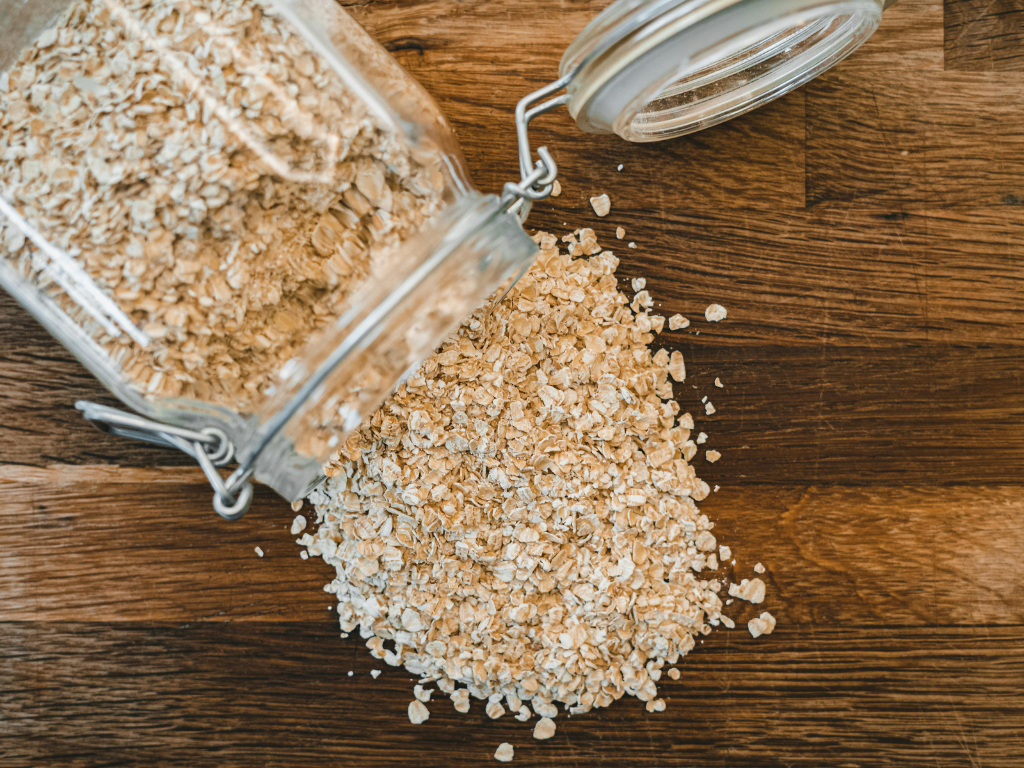
Let’s talk about oats — because this one trips a lot of people up.
Oats themselves don’t contain gluten. They’re not wheat, rye, or barley. So why can’t we just call them gluten-free?
Because in Australia, the law says we can’t.
Here’s why: oats contain a protein called avenin. It’s very similar in structure to gluten, but it’s not technically the same thing. Most people with gluten intolerance — and even many coeliacs — can tolerate pure, uncontaminated oats without any issue.
But our labelling rules are stricter than most countries. In Australia, if a product contains oats, you legally have to declare it as containing gluten — even if the oats themselves are clean and tested.
That’s where the confusion comes in. It’s not that oats have gluten — it’s that our laws treat them as if they do.
Personally, I eat oats all the time. No reaction, no issue. They’re a big part of our muesli range, and we source beautiful, Australian-grown, chemical-free oats that we trust. But I always make it clear to customers — especially if you’re coeliac or highly sensitive — it’s best to choose one of our certified gluten-free blends, just to be safe.
For everyone else trying to eat less wheat or reduce their gluten load, oats can be one of the most nourishing wholefood carbs around.
As always: check the label, but listen to your body. That’s the best guide there is.
(More on this in a satellite post: “Oats & Gluten: What the Law Says vs What Your Body Feels”)
6. Our Gluten-Free Mueslis (And Why We Make Them Like This)
I’ve been making gluten-free muesli for years.
Honestly, we started with just one blend — something simple and nourishing for a customer who couldn’t eat wheat but still wanted a proper brekkie. Then another person asked. And another. And before long, gluten-free became a proper part of what we do at Eclipse.
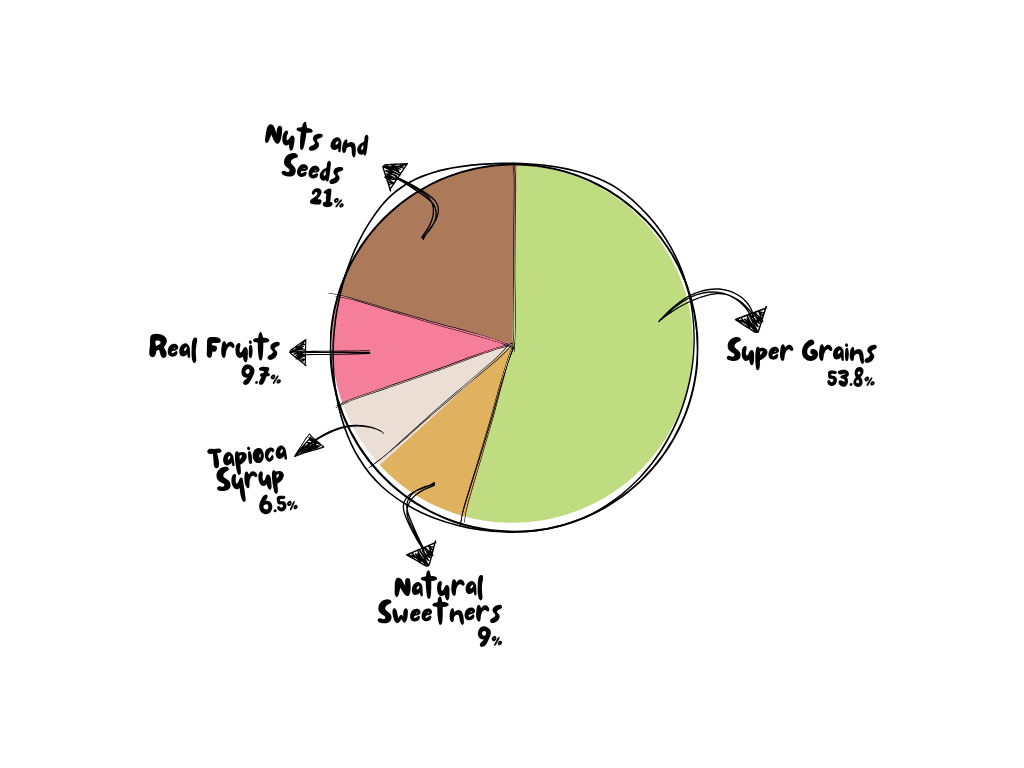
Now we’ve got five in the range, and each one’s there because someone needed it:
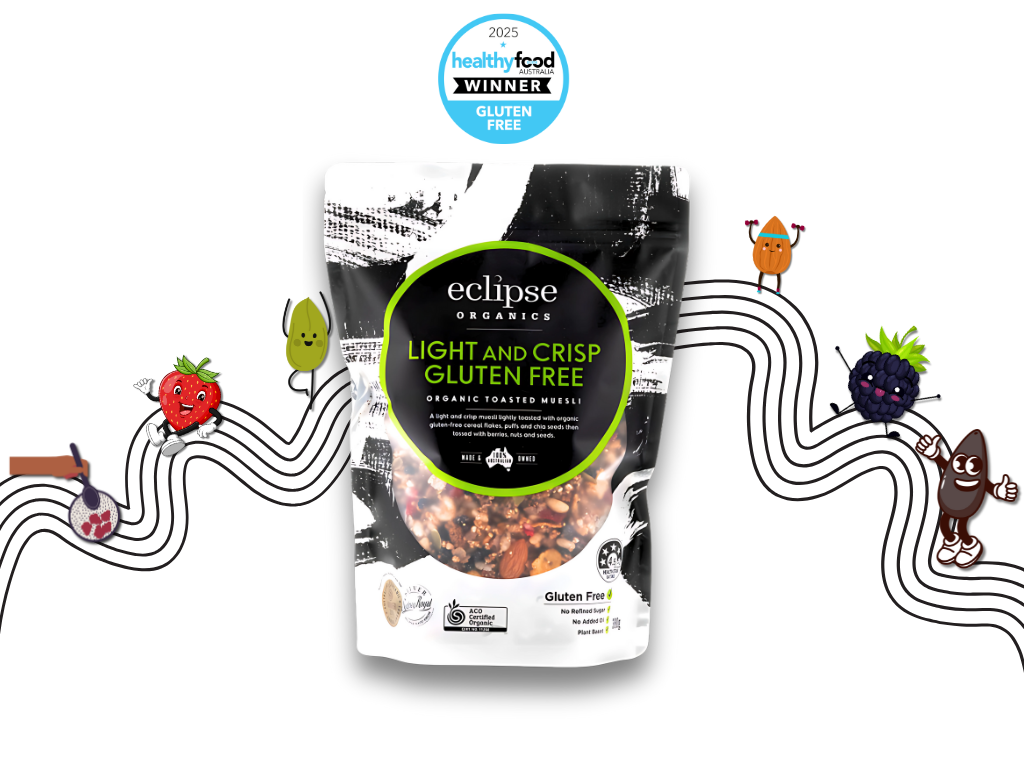
- Gluten-Free Light & Crisp — our lightest mix, but still full of crunch and fibre. A nice everyday option.
- Gluten-Free Native Clusters — Aussie bush flavours with native fruits and seeds. Bit special, this one.
- Paleo Fruit & Nut Crunch — no grains at all, just roasted nuts, seeds and dried fruit. Rich, hearty, good fuel.
- Paleo Manuka Nut Clusters — lightly sweetened with real Manuka honey. No cereal, just crunch.
- Keto Muesli — yep, it’s gluten-free too. Low carb, high fat, big flavour. Great with coconut yogurt or almond milk.
All of these are made without wheat, rye, barley or oats — so they’re spot-on if you’re coeliac, or staying strictly gluten-free for any reason.
Now, about the rest of our range…
We do use oats in some of our blends — but we’re really picky. Our oats come from Blue Lake Milling in South Australia. They’re Aussie-grown, chemical-free, and specially milled just for us.
They’re thick, whole, and fat-rolled — not quick oats, not dusty powder. We chose them because they actually taste like oats. They hold their shape in milk. They feel like real food.
Even though we can’t label them gluten-free (thanks to Australian labelling laws), I eat them. So do a lot of our gluten-sensitive customers. But if you’re coeliac or super sensitive? Stick with the gluten-free blends. That’s what they’re there for.
At Eclipse, we keep things honest — no wheat in the building, no shortcuts in the blends, and no confusion about what’s in the bag. That’s always been my rule.
7. Who Should Go Gluten-Free? (And Who Probably Doesn’t Need To)
I get asked this a lot. Do I think everyone should go gluten-free?
Short answer? No.
Longer answer? It depends.
It depends on your body, your history, your gut, your lifestyle. And that’s not something a trend or food rule can decide for you.
If you’re coeliac, then yes — gluten is off the table. Even tiny traces can do serious damage. For you, gluten-free isn’t a choice — it’s essential.
But for the rest of us? It’s a bit more nuanced.
Some people get bloated or foggy or just off when they eat too much wheat. Others feel fine. Some can handle sourdough but not supermarket bread. Some are okay with spelt, but not standard wheat. There’s no one-size-fits-all.
Personally? I try to keep wheat to once a day, max. That’s not a hard rule — it’s just what I’ve noticed works well for me. If I’ve had toast in the morning, I’ll skip the sandwich at lunch. If I’ve had pasta at dinner, I won’t go for the bikkies afterwards. That sort of thing.
It’s not about restriction. It’s about balance.
About tuning in.
And about making better choices when they’re available — and they often are.
So if you’re curious, I always say: give it a go. Take a week off wheat. Try a muesli without gluten. Bake a cake with almond flour. See how your body feels. You might be surprised at what you notice when you do.
(And if you’re not sure where to start, our gluten-free mueslis are a great first step — real food, no gimmicks.)
8. Great Alternatives to Wheat (That I Actually Use)
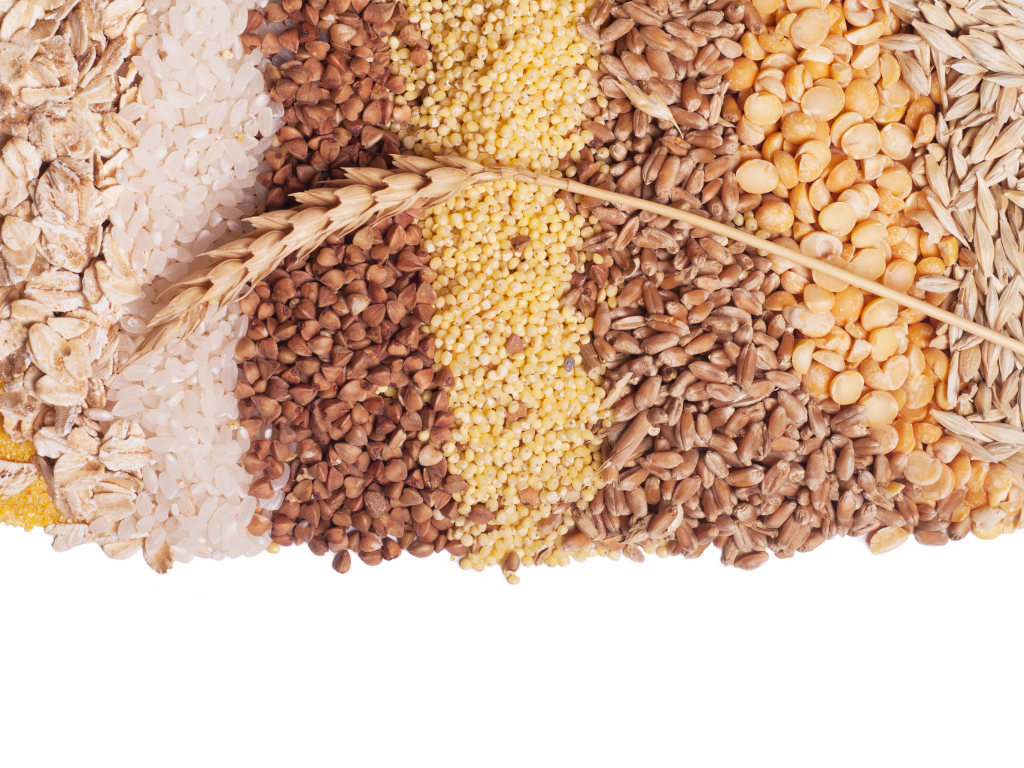
Here’s the good news — going gluten-free (or even just gluten-light) doesn’t mean giving up food you love. Not even close.
There are so many great ingredients out there now. Some I’ve used for years. Some I still keep in my pantry and reach for most weeks.
Here are a few of my favourites:
- Quinoa — light, nutty, and high in protein. I use it in salads, as a porridge base, and even bake it into slices.
- Millet — super underrated. Great as a porridge alternative or in warm grain bowls. Light, fluffy, and easy to digest.
- Buckwheat — one of my go-tos. I love soba noodles, buckwheat pancakes, and buckwheat spaghetti. There’s a market stall near me that makes a beautiful handmade version.
- Almond meal/flour — this was my first gluten-free baking love. Moist, rich, full of good fats. Still the base for a lot of my cakes and muffins.
- Cassava, tapioca, and coconut flours — I rotate between these depending on the recipe. Each one brings something different.
- My paleo flour blend — this one’s still a staple at home. It’s based on our old paleo muesli: almonds, pepitas, brazil nuts, sunflower seeds, coconut, and a bit of tapioca. It makes the best banana cake.
You’ll find a heap of these ingredients across our recipe section — most of them came from real customer questions or requests over the years. When we used to stock pantry items, I made a lot of these mixes for sale. These days, we focus on our core range of mueslis, bars, and chocolate — but the recipes are still up, and still solid.
You don’t need to ditch wheat forever — unless your body’s asking you to. But it’s easy (and delicious) to mix it up.
Start small.
Swap out one meal.
Bake something new.
Skip the standard sandwich.
Use buckwheat noodles instead of pasta.
If you’re eating wheat three times a day, even just switching one of those makes a difference. Your gut will thank you for the variety.
9. Final Takeaway: Feel What Feels Right
I’m not into food rules. Never have been.
I’ve never believed in telling people what they must eat or what they can’t have. That’s not how real food works. And that’s definitely not how life works.
This whole post? It’s not a prescription. It’s an invitation.
To listen.
To experiment.
To find what works in your own body — not someone else’s.
Some of you reading this are already gluten-free, and you’ve found your groove. Some of you are coeliac and don’t have a choice. Some of you are just curious — noticing you feel better without as much wheat, but not quite sure what to do next.
Wherever you’re at — you’re welcome here.
You’re doing the work. You’re paying attention. That’s what matters.
So try a swap.
Bake a cake with almond meal.
Spoon out some quinoa porridge.
Grab a muesli that doesn’t have wheat in it.
Take a break from the bread-heavy, pasta-every-night rhythm and see how you feel.
If you feel better? Amazing.
If nothing changes? That’s okay too.
You don’t need a diagnosis.
You don’t need a label.
You just need to listen.
(And if you want a real food starting point, we’ve got five gluten-free mueslis ready to go — no wheat, no nasties, no gimmicks. Just food that loves you back.)